
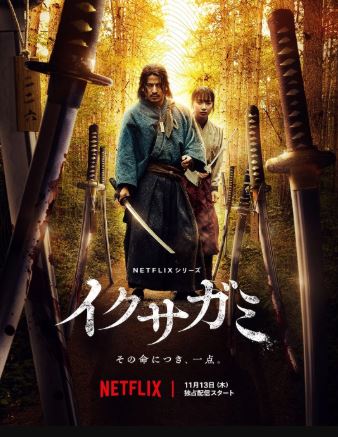
In “Last Samurai Standing,” director Takashi Yamaguchi masterfully crafts a cinematic experience that plunges viewers into the unforgiving world of ancient Japan, where honor and ambition collide in a brutal survival game. Set in the tumultuous era of the Meiji period, the film transports us to the fabled Tenryuji Temple in Kyoto, where 292 samurai warriors engage in a last-man-standing fight, with the tantalizing reward of 100 billion yen awaiting the sole survivor in Tokyo.
From the opening frames, the film’s energy is palpable, as these warriors, driven by desperation and a thirst for victory, clash in a frenzy of steel and blood. The cast delivers performances that are as intense as they are nuanced, bringing depth to the complex characters and their motivations. The score, a haunting blend of traditional Japanese instruments and pulsating electronic beats, perfectly captures the tension and urgency of the situation.
The cinematography is a visual feast, with breathtaking shots of Kyoto’s ancient temples and landscapes, juxtaposed with the brutal intensity of the battles. Yamaguchi’s direction is uncompromising, plunging us into the midst of the chaos, where the lines between honor, loyalty, and survival are constantly blurred. “Last Samurai Standing” is a film that will leave you breathless, questioning the true meaning of victory and the cost of ambition. It’s a masterpiece of historical tension and a brutal, unflinching portrayal of the human condition.