
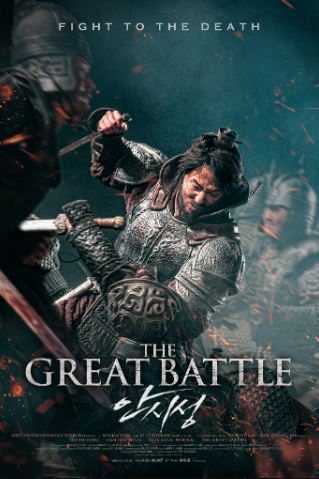
The Great Battle is a powerful historical movie that eloquently illustrates the historical eighty eight days siege of Ansi Fortress in 645 CE. The movie revolves around Yang Man-chun, a multifaceted character who is perceived by some quarters as a traitor, but the leader of a vastly outnumbered Goguryeo army who manages to fight the mighty Tang army under Emperor Taizong. It begins with the fierce battle of the mountain Jupil and continues with the incessant Tang attack on Ansi, which reflects the ugly truth of the ancient war. The film engrosses the audience into a compelling and dangerous world with high attention to details in the set, costumes, and battle scenes where bravery and endurance are subjected to the ultimate test.
The movie has excellent visual element, and the cinematography is beautiful and brings out the barren landscape and the destruction of siege warfare. The special effects, especially the representation of guns and fighting, are visceral and realistic and increase the emotional drama of every fight. The music, as it beats, fits the images well, enhancing the moments of victory and hopelessness and introducing a strong emotional dimension to the story. The acting is very strong, particularly that of Yang Man-chun and his self-doubts and determination bring sympathy and respect. The direction is a masterful blend of epic scope and personal narrative, that touches on the subject of loyalty, sacrifice and morality in war.
The theme of the film that appealed most to my heart was the focus on the human soul in the background of chaos and destruction. It caused me to have a great appreciation of the struggle of those who defended and the vagaries of luck in war. The denouement, when the Tang army has to retire because Emperor Taizong is injured, made an indelible impression – as the uncertainty of destiny and the heroism that are so seldom credited in history. As a whole, The Great Battle is a very strong, emotionally affected movie that does not disregard its historical underpinnings and does investigate the timeless issues of leadership, sacrifice, and survival.