
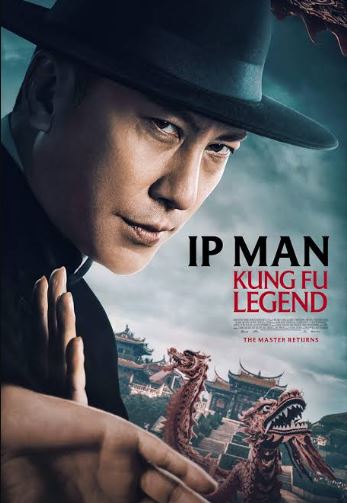
Ip Man: Kung Fu Legend (2026) is a compelling continuation of the legendary martial artist’s story, set against the turbulent backdrop of post-war 1950s Hong Kong. The movie delves into the story of Ip Man’s journey from being a police officer to the founder of a martial arts school, highlighting his commitment to preserving Wing Chun in a rapidly evolving society. As a Western-backed boxing club backed by British merchants and local triads, the boxing club starts to aggressively acquire and destroy local martial arts establishments, Ip Man becomes the symbol of resistance. It is an energetic and dramatic depiction of the conflict between tradition and modernity, showing the scenes of Ip Man’s battle not only in the ring but against corporate greed and corruption that are endangering the cultural heritage.
The story unfolds as Ip Man defends his working-class people and stands up for traditional martial arts. He is against exploiting local resources, martial arts properties, which puts him in conflict with powerful enemies. This escalates when Ip Man refuses to give in, and he is framed for murder, a tense prison scene ensues. He encounters deadly traps and grueling tests of endurance inside, testing his physical and moral limits. The quest for justice turns into a harrowing journey of survival, cunning and resilience, with a daring escape and a final showdown where honor, skill and courage triumph.
Director Li Wei’s film is tense and action-packed with a fine mix of fight choreography and emotional storytelling. The film’s message of fighting the oppressor, integrity and sacrifice has a deep impact on those that watched it, reminding viewers of the significance of preserving culture and fighting corruption. Overall, the film is a powerful and uplifting homage to the legendary martial artist, reminding audiences that strength is not just about skill, but also about integrity. It’s a great inspirational and adrenalin rush ride of righting wrong, that’s a story that sticks with resilience and heroism.