
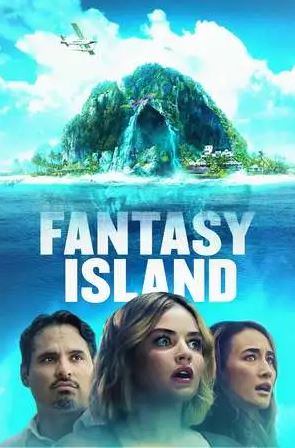
“Fantasy Island” is a darkly twisted version on the classic fantasy idea of wish-fulfillment as its characters find themselves in a nightmare world where their wishes come true, albeit in a nightmarish fashion. The stories that intertwine this narrative are many: revenge and love, guilt and redemption, the different levels of fantasy and reality. The characters’ hallucinatory, zombie and self-tortured adventures set the scene, making the ride entirely unpredictable, culminating in a succession of explosive revelations and sacrifices. The mystery of the island’s nature and its creator Mr. Roarke slowly reveals itself, contributing to the intrigue and emotional depth of the film.
The film is very effective at establishing an evocative, sometimes disturbing, tropical atmosphere, from beautiful to horrific. The incorporation of supernatural elements, particularly the glowing cave and the zombie attack, adds to the overall sense of chaos and fear. The acting is riveting, particularly of Michael Peña’s Roarke, whose mysterious demeanor leaves audiences wondering what he’s up to. The action scenes are well choreographed and intense, especially the zombie attack and the scenes in the cave, which add to the suspense of the film. The score and sound design really accentuates the growing tension, so every twist and turn really packs a wallop.
The themes of guilt, redemption and the destructive nature of obsession were the most striking. The struggles of each character stem from unhealed trauma or unmet desires, giving them an emotional authenticity. The end of the film with the self-giving and the uncovering of truths stresses the need to face the past and the possibility of salvation. The story is sometimes complicated, but “Fantasy Island” nonetheless leaves a chilling aftertaste, as we realize that there are consequences to our deepest wishes, and sometimes, the truth is the only thing that brings peace.