
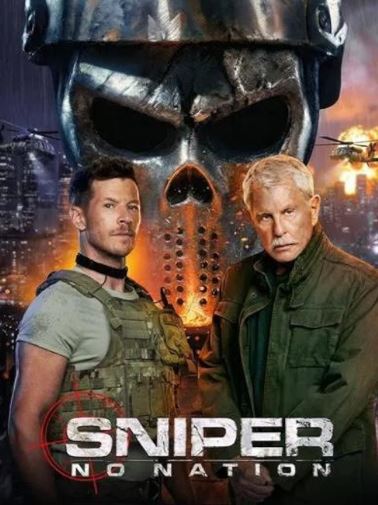
The movie, “Sniper: No Nation,” is a high-thrill, adrenaline-charged installment that pushes boundaries of contemporary covert warfare. The movie trails Brandon Beckett, convincingly portrayed by Chad Michael Collins, who is labeled a terrorist after a fiasco operation at Costa Verde. Brandon is ostracized by his own government, so he must live in disguise, in a world where no one can be trusted and anyone is an enemy. The story has the anarchy and moral ambiguity of the contemporary espionage and the sniper scenes and gritty action made me sit on the edge of my seat.
The most impressive aspect that impressed me was the emotional essence of the story of Brandon: a soldier who became a betrayal of his own country, who did not only have to survive but to redeem himself. It is further enhanced by his reunion with his famous father, Thomas Beckett, which brings out a deeper layer of significance and resonance of themes of loyalty, sacrifice, and the indestructible connection between family and country. The unrefined, crude aspect of modern warfare is highlighted by the fact that the film describes a rogue operation in which it was conducted without borders, having no backup or official authorization. The fierce movement and stomach-churning fighting scenes deliver a visceral feeling of urgency and desperation and submerge the viewer into a world where the rules are no more.
In general, I was impressed and reflexive at the same time because of the film Sniper: No Nation. It is a rough dose of reality that, despite the turning of the backs, the struggle to achieve justice and truth continues. The way the movie has depicted a solitary hero against overwhelming odds in the midst of mercenaries and corrupt governments is intriguing and thought-provoking as it reminds us that sometimes, the best battles are fought in the shadows and without a sound. It’s a compelling addition to the sniper genre, resonating with its themes of resilience and moral complexity.