
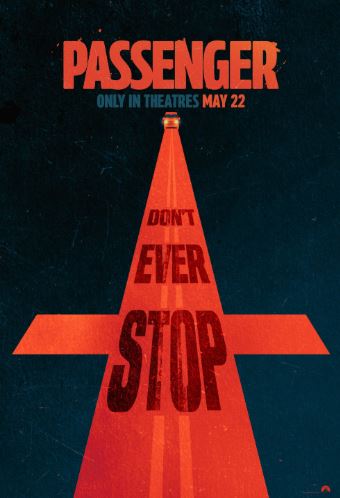
Passenger (2026) is a supernatural horror, with a dark and chilling theme of unseen evil forces that dwell in the night darkness of the open road. The movie begins with an intense and shocking car crash scene, immediately followed by the violent chase of a demon named the “Passenger” who is seeking out innocent motorists. When young lovers Maddie and Tyler take up the van life, they soon discover that they’re being stalked by something that can’t be seen, but has claw marks and is taking them down. There is a sense of danger in the atmosphere of the film, and the night’s silence and the lurking danger that can appear at any moment make every roadside stop a potential trap.
The thing that makes “Passenger” work is the effective use of paranoia and the unknown to instill primal fears. As Maddie realizes it can appear in many different frightening ways, mimicking loved ones, the emotional stakes are raised and the audience is kept on its toes. Helplessness, trust, and a failure to comprehend an indefinable evil are explored in the story. As they go about their quest to find the elusive Church of St. Christopher, rumored to be a place of refuge in local folklore, the film’s atmosphere of mystery and unexplained grows more pronounced. The juxtaposition of the supernatural elements and the open road evokes a feeling of loneliness and vulnerability.
Though there are a few cliches in the genre, the tension that the film creates, and concept of an unseen killer that never lets up is cool. The movie keeps the tension high with a few moments of quiet dread and an attack of terror, before a climactic action-packed ending. The images—particularly Maddie’s dashcam footage and the creepy appearances of the Passenger—aren’t enough to bring the supernatural terror to life. Overall, there’s a sinister message about unseen evil, and the frightening randomness of the darkness that is always just beyond the light.