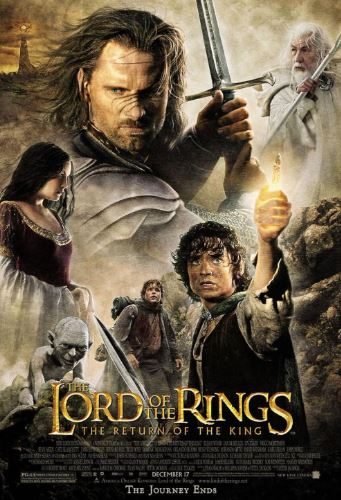
It is an epic conclusion of J. R. R. Tolkien’s masterpiece, “The Lord of the Rings: The Return of the King”, that embraces the majesty and complexity of the good vs. evil epic battle. The film adeptly manages the epic engagements, the genuine moments, the complicated story and draws the audience into a fully fleshed out world facing extinction. The leadership of Gandalf and Aragorn and Frodo’s journey are both mythic and personal. The stakes are huge and the film’s meaning and tone ebbs and flows between tough action, serious sacrifice and flashes of hope, leaving a powerful message of heroism and resilience.
But what really touched my heart was the theme of sacrifice and the indomitable spirit of hope in the face of adversity. The film portrays the emotional cost of carrying such a burden, and Frodo’s quest into Mordor is a metaphor for the battle that rages within him. The characters’ interactions create a true emotional bond through the moments of camaraderie, sacrifice and relentless effort. Gollum’s obsession with the Ring, and the destruction of the Ring, was reminiscent of the consequences of obsession, and the randomness of fate, as the climax unfolded. I was struck by the poignant conclusion, the passing of the torch to a new generation, and a poignant reminder of the power of hope and sacrifice.
The visuals are truly stunning, the battle scenes are beautifully choreographed, and the visual effects are impressive, making Middle-earth come to life. The acting—particularly from Ian McKellen, Viggo Mortensen and Elijah Wood—is very moving and captures the complexity of the journey of these characters. The score builds in intensity for every emotional beat, raising the film’s epic level. In conclusion, “The Return of the King” is a magnificent and deeply moving finale that leaves the viewer in awe and reflection, capturing the essence of storytelling and the triumph of good over evil.